
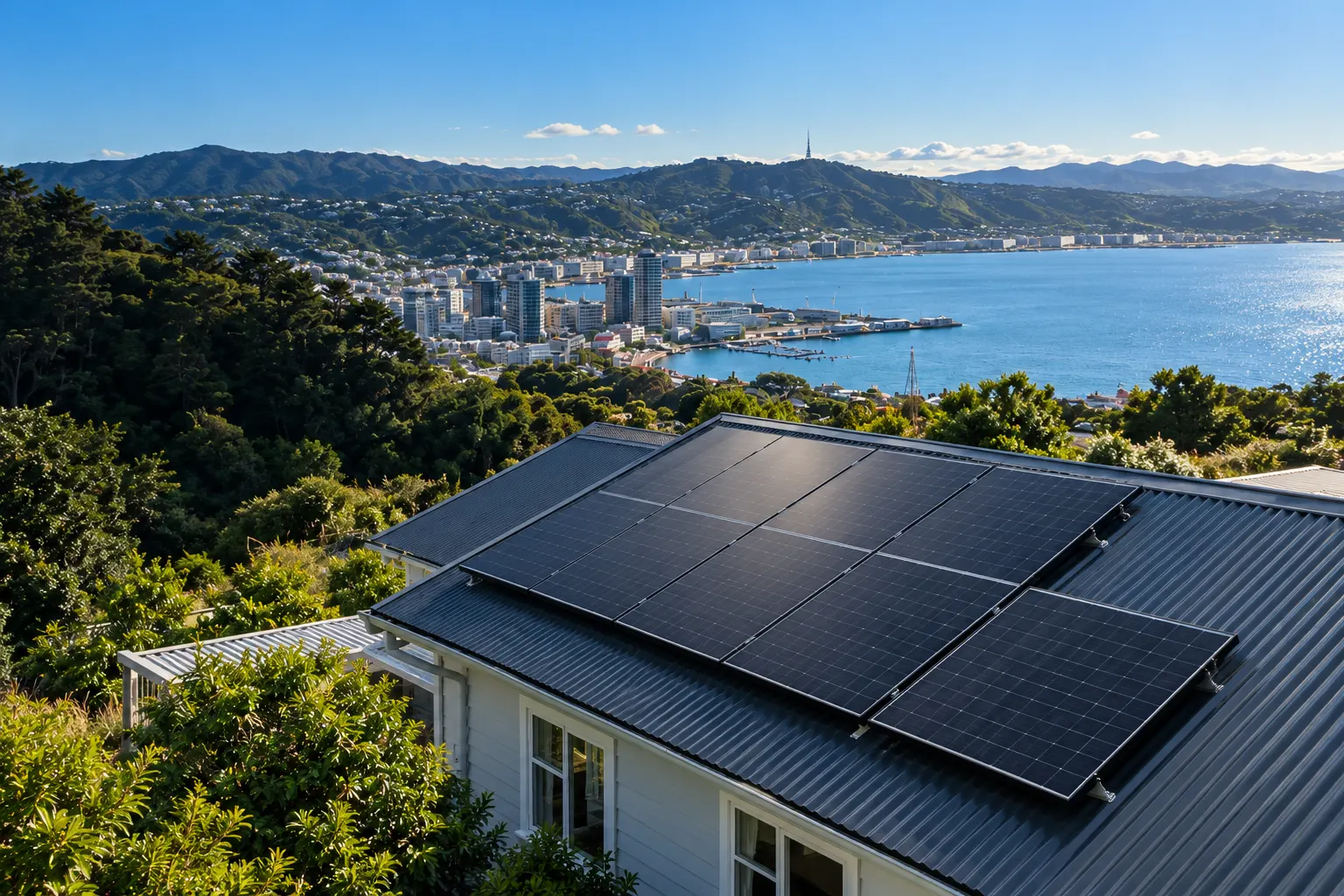
Solar repairs and inverter replacement in Wellington begin with the fault symptoms, the system's monitoring and a safe inspection plan. A warning message, lower generation, storm damage or an ageing inverter can each need a different response. We collect the information available, inspect the relevant equipment and explain what is known before proposing repair or replacement. The aim is to restore a safe, documented system without treating every production change as the same problem.
What a solar repair assessment includes
We ask for the inverter message, monitoring screenshots where available, the system age if known and any recent roof or weather event. The assessment can include accessible panels, inverter condition, isolators, visible cabling, switchboard interface and monitoring records. The exact checks depend on the symptoms and safe access. We explain the limits of a visual inspection and arrange the appropriate electrical work where diagnosis requires it.
If replacement is indicated, we compare compatible inverter options, capacity needs, monitoring arrangements and grid-connection requirements. Solar PV is prescribed electrical work, so it must be carried out by a currently licensed EWRB electrical worker. Fixed wiring requires a Certificate of Compliance, while high-risk work needs an inspection and Record of Inspection. We include the required documentation in the completion process.
Common signs you may need a solar repair
An inverter warning, persistent monitoring gap, visible equipment damage, water entry, unusual noise or a sustained unexplained generation change can justify assessment. A fault after a storm or roof work should also be checked rather than ignored. If you smell burning, see damaged cabling or have an electrical safety concern, avoid touching the equipment and arrange prompt electrical assessment. Describe what you can see from a safe distance.
Lower output alone does not always mean a component has failed. Winter days are shorter, cloudy weather reduces generation and shading can change as trees grow or sun angles shift. We review those possibilities alongside fault messages and the production pattern. That reduces the chance of replacing equipment when a site condition or monitoring issue is the more likely explanation.
Repair, replacement and upgrade options
A repair can be appropriate where a connection, isolator, monitoring component or compatible part is the issue. Inverter replacement may make more sense when the existing unit cannot be economically repaired or no longer meets the property's needs. We explain what each option changes for monitoring, capacity and grid settings. The right option depends on the identified fault, remaining system condition and the intended use of the solar energy.
A replacement is also an opportunity to review whether panel capacity, battery plans or export settings have changed since the original installation. That does not mean an upgrade is automatically required. Mixing old and new equipment can have compatibility limits, and adding capacity can trigger network questions. We separate the repair needed now from optional expansion work, so the decision stays clear.
What affects repair and inverter replacement scope
The scope depends on the fault, access to panels and equipment, the condition of existing cabling and switchboards, and whether compatible replacement components are available. Roof access, water damage, isolation requirements and monitoring configuration can add work. We assess the system before confirming a replacement path because an inverter message alone does not always identify the failed component.
If replacement changes export capability or system capacity, the relevant lines company may need information before reconnection. Network settings can be specific to the property and connection. Electrical documentation, inspection requirements and any remedial work identified during testing also affect the final scope. We explain these factors without presenting a diagnosis as certain until the checks are complete.
Wellington repairs, wind and connection settings
Wellington Electricity serves Wellington City, Porirua, Lower Hutt and Upper Hutt. Its small-system process requires connection work to standards and a final notification with a Record of Inspection and Certificate of Compliance. Since May 2026, flexible exports can be reduced during network congestion. A replacement inverter therefore needs its settings checked against the current connection requirements, not only the old equipment label.
Wind-exposed roofs, coastal air and steep hillside access can change how a repair is assessed. We consider visible mounting condition, weather exposure and safe access before making a work plan. Hills, valleys and tree cover also make shading very site-specific. Where reduced generation is the symptom, we compare the production pattern with site conditions before treating the inverter as the confirmed cause.
How the work is planned
- Send the warning message, monitoring information and notes about any recent weather, roof work or visible damage.
- We review symptoms and arrange a safe assessment of relevant electrical equipment, accessible panels and system records.
- We explain the diagnosed issue, any uncertainty and whether repair, replacement or further testing is appropriate.
- For replacement work, we confirm capacity, monitoring, network settings and any lines-company notification requirements.
- Licensed electrical work is completed with the required compliance documentation and any required inspection arranged.
- We explain the completed work, monitoring checks and any separate upgrade opportunities before handover.
What a good solar quote should show
Symptoms are checked before replacement
We use fault messages, monitoring history, a site assessment and electrical checks to narrow down the issue. Reduced generation can result from weather, shading, monitoring or equipment, so an inverter is not treated as failed solely because output has changed. We explain what the checks establish and what remains uncertain. This helps distinguish an essential repair from an optional improvement to an otherwise working system.
Current connection settings are considered
Wellington Electricity applies flexible export arrangements for small systems, meaning exports may be asked to reduce during network congestion. When an inverter is replaced, its connection and export settings need to suit the current requirements for the address. We include that check in the replacement process. It avoids assuming that the old configuration remains appropriate simply because the panels are already installed.
Compliance records are not an afterthought
Solar PV electrical work must be performed by currently licensed EWRB electrical workers. We arrange the required electrical work through those workers and provide the required documentation as part of completion. Fixed wiring requires a Certificate of Compliance, while high-risk work needs an inspection and Record of Inspection. This gives the owner documentation for the remedial work as well as an explanation of the repair.
Your questions, answered.
How do I know whether my inverter has failed?
An inverter alert, repeated shutdown, missing monitoring or a sustained generation change can be signs, but not a complete diagnosis. Weather, shade, connectivity and other components can also affect data. We assess the message, system history and accessible equipment before recommending repair or replacement.
Can you replace an inverter but keep the existing panels?
Often that can be assessed, but compatibility, array condition, cable layout, capacity and current connection settings need checking. A replacement may reveal other electrical work. We explain what can remain, what needs testing and whether optional upgrading makes sense for intended system use.
Does an inverter replacement need lines-company approval?
It depends on what changes and the network serving the property. A replacement changing export capability or generation capacity can require network information or notification. Wellington Electricity, Electra and Powerco each have requirements. We identify the relevant process before finalising replacement scope.
Why is my solar output lower in winter?
Panels produce less in winter because days are shorter and the sun is lower. Cloud also reduces output, while shade can change with the season. We compare generation with weather, site conditions and inverter messages. Winter output alone does not prove a fault.
What documents should I keep after a repair?
Keep electrical documentation, any required Record of Inspection, equipment records and notes on repairs. They are useful for maintenance, insurance and network questions. We provide applicable compliance documents during completion and explain what they record for future owner use and reference.
Further reading
Network rules and provider terms can change. Confirm current requirements for your address.