
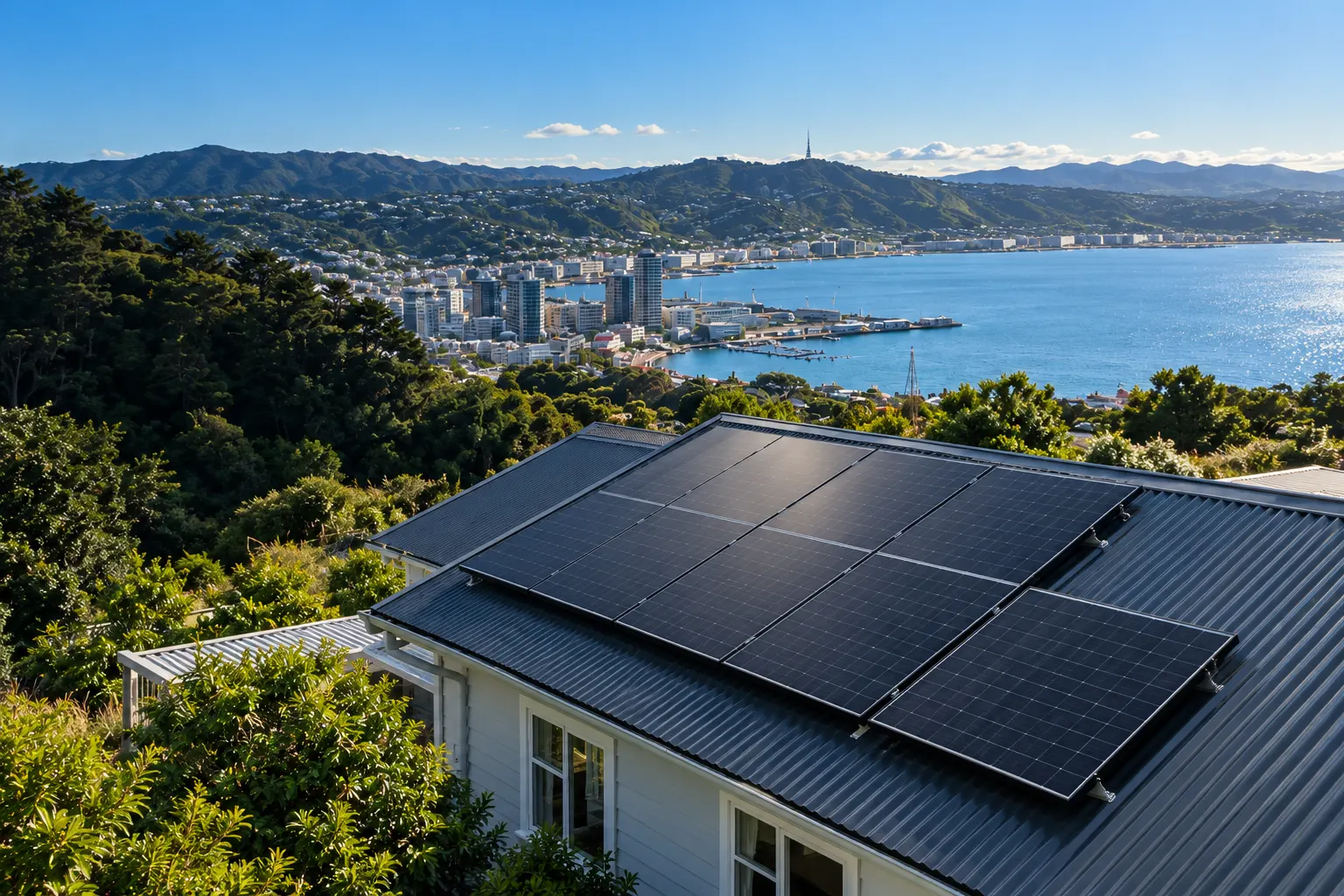
EV charger installation in Wellington begins with the vehicle, parking space and electrical supply at the address. We review the switchboard, cable route, distance to the parking bay and the times a vehicle is normally available to charge. If solar is present or planned, we can discuss solar-aware charging alongside ordinary scheduled charging. The goal is a charging setup that fits the site's electrical capacity and daily routine.
What an EV charger installation includes
We assess the vehicle's charging connection, parking location, switchboard capacity and the route for safe fixed wiring. At a home, that may mean looking at a garage, driveway or carport. At a business, it can include staff parking, visitor use, access control and whether several vehicles may charge at different times. The assessment identifies practical constraints before a charger position is chosen.
The installation scope covers the charger location, mounting, protection, cable run and any switchboard changes needed for the design. We use EWRB-licensed workers for prescribed electrical work and provide the required Certificate of Compliance for fixed wiring. If solar-aware control is being considered, we also review how the charger will receive generation or load information.
Signs you may need dedicated EV charging
A dedicated charger may suit drivers who regularly charge at home, return at predictable times or want a fixed, checked charging point. It can also be useful for businesses with fleet vehicles, staff parking or customers who stay for a defined period. We begin by understanding when the vehicle is parked and what other loads run at that time.
A site may need assessment before charging is added if the switchboard is already busy with heating, hot water, workshop equipment or other major loads. We do not assume every connection can support the same charging arrangement. Reviewing supply capacity and load management early helps identify whether a straightforward charger, scheduled charging or a broader electrical change is the sensible path.
Charger types and solar-aware charging compared
A fixed charger can provide controlled home or workplace charging, while a portable lead may suit occasional use where an appropriate outlet is available. The right choice depends on the vehicle, parking arrangement, electrical capacity and how often charging is needed. We explain the difference between a charger that simply follows a schedule and one that can respond to selected site conditions.
Solar-aware charging can be set up to prefer available solar generation, subject to the charger, metering and site electrical arrangement. It is most useful when a vehicle is parked while solar is generating. If the car is usually away during the day, scheduled off-peak or ordinary charging may be more relevant. We compare those patterns without assuming solar charging will suit every driver.
What affects EV charger installation cost
Factors are charger type, cable distance, route complexity, wall or pedestal mounting, switchboard capacity, protection devices and supply upgrade or load management needed. A charger beside the switchboard may involve a different scope from one at a parking bay. Ground works, shared parking and commercial access arrangements can add further design requirements.
For a solar-aware setup, the existing solar equipment, monitoring and electrical layout also need review. The charger must be compatible with the intended control method, and the proposed approach has to work with normal household or business demand. We set out those factors in the quote so the charging function, electrical work and any solar integration are clearly separated.
Wellington parking, weather and solar context
Wellington properties can have steep driveways, street-side parking, shared access and exposed carports. We inspect the parking position and cable route rather than choosing equipment from a floor plan alone. Coastal sites may need a corrosion-exposure discussion for external equipment and fixings. The assessment also considers safe weather protection and how the charger can be accessed without creating a trip or traffic hazard.
Solar-aware charging is shaped by local generation patterns. Panels produce less during winter's shorter days and more during summer, while shade from hills, trees and nearby buildings can change output at one address. We discuss charging schedules and solar preference settings around your parking routine, then explain what will happen when solar production is low or other household loads are running.
How the work is planned
- Assess the parking space, vehicle needs, switchboard capacity, cable route and other major electricity loads.
- Design the charger position, protection and charging controls around daily driving and available electrical capacity.
- Apply for any required electrical or network approval and confirm the agreed installation scope.
- Install the charger, fixed wiring, protection equipment and any approved solar-aware control components.
- Certify the prescribed electrical work and provide the Certificate of Compliance for fixed wiring.
- Switch on, test charging and explain scheduling, solar preference settings and normal operating checks.
What a good solar quote should show
Parking and cable routes are inspected
We assess the actual vehicle position, access route and distance from the switchboard before selecting the installation approach. This is especially useful on Wellington sites with steep driveways, shared parking or exposed carports. The assessment allows the charger position, cable protection and weather exposure to be considered together, rather than treating the charging point as an isolated piece of equipment.
Charging is matched to site capacity
We review existing major loads and switchboard capacity before designing a charging setup. Heating, hot water, workshop tools and other electrical equipment can affect how a charger should operate. Where appropriate, we discuss schedules or load-management controls that suit the site. The aim is to make the charger fit the electrical system already serving the property at each site.
Solar-aware charging is explained plainly
We explain solar-aware charging as a control option, not as a promise that every charge will come from the roof. It can suit a vehicle that is parked while solar generation is available, subject to the charger and electrical arrangement. When the vehicle is away during daylight hours, scheduled charging may be more practical. We compare the two patterns against your routine.
Your questions, answered.
Can I install an EV charger at home?
Many homes can support a dedicated charger, but the answer depends on the switchboard, supply capacity, cable route and parking location. We inspect those points before choosing a charger position. Fixed wiring is prescribed electrical work, so it is completed by EWRB-licensed workers and documented with the appropriate Certificate of Compliance.
Can the charger use surplus solar power?
Some charging controls can prefer available solar generation, subject to compatible equipment and the site's electrical setup. This is most relevant when the vehicle is parked during the day. We discuss the vehicle's usual location and your solar pattern before recommending solar-aware controls or a scheduled charging approach.
Will I need a switchboard upgrade?
Not in every case. The need depends on the existing board, protection devices, available capacity and other electrical loads. We assess the supply and identify whether the charger can be added directly or whether load management or electrical changes should be included. That check happens before installation is booked.
Can a business install chargers for staff or visitors?
Yes, subject to an assessment of parking, site electrical capacity, access and how charging will be managed. Businesses may need to consider several vehicles, staff use, visitor access or operating hours. We design the scope around those conditions and explain where staged installation may be more suitable than adding every charging point at once.
Do outdoor chargers suit Wellington weather?
An outdoor installation needs its location, weather exposure, mounting and cable route assessed. We inspect the proposed position and consider coastal exposure where relevant. The equipment and installation method are selected for the actual site conditions, with safe access and protection of the fixed wiring considered as part of the design.
Further reading
Network rules and provider terms can change. Confirm current requirements for your address.